
Which Devices Are eSIM Compatible A Simple Guide
Tired of fumbling with tiny physical SIM cards or scrambling for a local one when you travel? An eSIM compatible device replaces that fragile chip with a permanent, built-in digital version that you can activate with just a scan or a tap. This built-in eSIM technology lets you store multiple carrier profiles, so you can instantly switch networks without ever opening your phone’s tray—perfect for keeping your main number while testing a local data plan abroad.
Understanding the Shift from Physical SIM to Embedded SIM
The shift from a physical SIM to an embedded SIM fundamentally redefines device connectivity. With an eSIM-compatible device, you no longer insert a plastic card; instead, a soldered chip stores carrier profiles that can be activated remotely. This eliminates the need to fumble with tiny trays when switching networks, offering a seamless experience for travelers or those juggling multiple numbers. Activation becomes a software process, typically finished within minutes by scanning a QR code or using an app. Device design also benefits, as removing the physical slot frees internal space for larger batteries or water-resistant seals. Understanding this shift means realizing your phone’s network identity is now decoupled from a removable object, making the device itself the sole carrier of your connectivity.
What Makes a Device Ready for Embedded SIM Technology
A device is ready for embedded SIM technology when its hardware includes a permanently soldered, tamper-resistant eSIM chip that meets the GSMA’s Remote SIM Provisioning specifications. This chip must support at least one active profile slot, enabling over-the-air download and activation of carrier credentials without a physical SIM tray. The device’s modem and firmware must also be configured to handle the eSIM profile switching protocol, allowing users to change carriers or plans seamlessly through software menus. Additionally, the operating system must integrate a dedicated eSIM management interface, typically under cellular settings, to facilitate profile selection, deletion, and activation without external tools.
Key Differences Between Traditional SIM Cards and Digital SIM Profiles
The primary difference lies in form versus function: a traditional SIM is a removable physical chip, while a digital SIM profile exists as encrypted software embedded in the device’s hardware. Digital profiles allow users to switch carriers remotely without waiting for a new physical card, whereas swapping a traditional SIM requires physically handling and inserting the tiny chip. Furthermore, a single eSIM can host multiple profiles simultaneously, eliminating the need to carry spare physical SIMs for travel or multi-line management. This shift from a static physical component to a dynamic, rewritable data set defines the key differences in SIM architecture.
- Physical SIM requires manual insertion/removal; digital profile is activated via a QR code or app download.
- A traditional card occupies a physical slot; a digital profile is stored directly on the device’s secure element.
- Switching networks on a physical SIM demands a new card; digital profiles allow instant over-the-air carrier changes.
- Physical SIMs cannot store more than one carrier profile; digital profiles can hold and switch between multiple subscriptions.
Smartphones That Support Digital SIM Profiles

Smartphones that support digital SIM profiles essentially act as purely eSIM compatible devices, eliminating the need for a physical SIM tray. This design allows immediate activation of a cellular plan by scanning a QR code or using a carrier app, so users can switch networks in seconds without hunting for a SIM ejector tool. Many modern flagships now embed the eSIM directly onto the motherboard, freeing internal space for larger batteries or advanced cooling systems. For travelers, this means you can store multiple operator profiles on one device and toggle between a home and a local data plan mid-flight. The user experience centers on a seamless, software-driven connection where digital SIM profiles replace plastic cards with instant, remote provisioning across compatible hardware.
Flagship Handsets from Apple, Samsung, and Google
Apple’s iPhone 15 Pro and Pro Max, Samsung’s Galaxy S24 Ultra, and Google’s Pixel 8 Pro each ship with dual eSIM support, allowing two active profiles without a physical SIM. Samsung offers one eSIM alongside a physical slot, while Apple’s U.S. models are eSIM-only, and Google permits flexible switching between eSIMs and pSIM. This variation means a user swapping carriers must verify their handset’s exact regional configuration. For travelers, flagship dual eSIM capability simplifies adding local data plans without removing a primary line.
| Handset | Max Active eSIMs | Physical SIM Slot |
|---|---|---|
| iPhone 15 Pro Max | 2 (plus 8 stored) | No (U.S. models) |
| Galaxy S24 Ultra | 1 (plus 1 stored) | Yes |
| Pixel 8 Pro | 1 (plus 1 stored) | Yes |
Mid-Range and Budget Phones with Embedded SIM Capabilities
Mid-range and budget phones with embedded SIM capabilities are now a solid choice for everyday users who want flexibility without a flagship price. Devices like the Google Pixel 7a and Samsung Galaxy A54 let you activate a plan instantly through a digital profile, perfect for testing a local carrier while traveling or managing a second line for work. You avoid fiddling with tiny physical trays, and many models support dual standby with one physical SIM plus the eSIM. Just check that your carrier offers eSIM activation for your specific phone model, as not all budget-friendly options are widely supported yet. Look for phones with at least eSIM dual standby support to keep both numbers active.
Mid-range and budget phones with embedded SIM capabilities give you cost-effective access to dual-line flexibility, ideal for travelers and multi-number users who want eSIM convenience without spending premium money.
Regional Variations in Device Support for eSIM
Regional variations in device support for eSIM mean a smartphone sold in North America might fully support multiple digital profiles, while the exact same model in Asia could lack this feature due to different carrier partnerships or firmware versions. For instance, many Chinese-market smartphones physically include an eSIM chip but lock it for domestic use only, forcing you to rely on a physical SIM abroad. European models often offer broader profile-switching freedom. Regional eSIM compatibility can also dictate whether you can store two active profiles or just one. Always check the specific regional model number, not just the brand name, before purchasing for travel.
- Same phone model may have eSIM disabled in Middle Eastern or African variants.
- Japanese phones often restrict eSIM to local carriers, blocking international profiles.
- North American flagship models typically support both dual SIM and dual eSIM, whereas Latin American units rarely do.
Wearables and Smartwatches with Integrated SIM Functionality
Wearables with integrated SIM functionality, like smartwatches, use eSIM technology to operate independently from your phone. This means you can make calls, stream music, or get notifications while leaving your handset at home, ideal for runs or quick errands. The eSIM is built into the device, activated by your carrier, and manages its own separate line or shares your phone’s number. Q: Do I need a new phone number for a smartwatch with eSIM? A: Not always—many carriers let you use a “number sync” feature so your watch and phone share the same number seamlessly.
How Smartwatches Leverage Digital SIM for Standalone Connectivity
Smartwatches utilize UK eSIM an embedded eSIM to function as fully independent devices, severing the tether to a paired smartphone. This digital SIM is provisioned directly on the watch’s chip, enabling the device to connect to a mobile network without a physical card. Users activate a separate cellular plan on the watch, allowing it to make calls, send texts, and stream data via its own LTE connection. The watch therefore leverages the eSIM to host its own subscriber identity, granting true standalone connectivity for tasks like GPS navigation or emergency calls, even when the primary phone is out of range or switched off.
By hosting a digital SIM, smartwatches achieve independent cellular access, enabling calls, messages, and data without requiring a nearby smartphone.
Popular Fitness Trackers and Their eSIM-Ready Models
For fitness-focused users, specific trackers now integrate eSIMs to shed phone dependency. The eSIM-ready fitness trackers like the Samsung Galaxy Fit3 offer standalone music streaming and call handling during runs. Garmin’s Venu 3 and Forerunner 265 allow emergency messaging via eSIM without a phone. Apple Watch SE (cellular) and Fitbit Sense 2 let you track GPS routes and reply to texts while leaving your smartphone behind. Q: Can I stream music directly from an eSIM fitness tracker? Yes—models like the Galaxy Watch FE cache Spotify playlists over cellular, allowing untethered listening. This ensures your workout data syncs even during phone-free sessions.
Laptops, Tablets, and Mobile Workstations with eSIM
For laptops, tablets, and mobile workstations with eSIM, the primary advantage is the elimination of physical SIM slots, which improves device water resistance and internal space. When evaluating these devices as eSIM compatible devices, ensure they support multi-profile capability, allowing you to maintain separate corporate and personal data plans on a single embedded chip.
Always verify that your device’s eSIM firmware—not just the hardware—is unlocked to all carriers, as some manufacturer-locked enterprise models restrict profile switching to a single provider.
Practical use requires confirming the OS’s built-in eSIM manager provides direct cellular provisioning for VPN and zero-trust network access, avoiding reliance on tethering for critical field work.
Ultrabooks and 2-in-1 Laptops Featuring Embedded SIM Slots
Ultrabooks and 2-in-1 laptops with embedded SIM slots allow users to activate cellular data plans directly on the device without a physical nano-SIM. This eSIM integration is particularly useful for frequent travelers needing instant, carrier-independent connectivity. Models like the Lenovo ThinkPad X1 Yoga and HP Spectre x360 integrate the eSIM chip into the motherboard, supporting both dual‑SIM functionality with an additional physical slot. The 2‑in‑1 form factor benefits from persistent LTE or 5G connections, enabling real‑time cloud synchronization whether in tablet or laptop mode, without relying on Wi‑Fi hotspots.
Ultrabooks and 2‑in‑1 laptops with embedded SIM slots combine mobile broadband directly into the chassis, offering always‑on connectivity without a physical card, ideal for professionals requiring constant, secure internet access across workstations.
Tablets Designed for Always-On Cellular Connectivity
Tablets designed for always-on cellular connectivity leverage eSIM to eliminate reliance on Wi-Fi hotspots, ensuring seamless data access during commutes or field work. The integrated eSIM management suite allows users to activate mobile data plans directly from the device settings, bypassing physical SIM trays for a slimmer chassis. To maintain persistent connectivity, these tablets typically follow a sequence: first, they scan for the strongest available cellular band; second, they auto-negotiate with the eSIM carrier’s network for prioritized throughput; third, they gate secondary connections (e.g., Wi-Fi) behind the primary mobile link to prevent handoff drops. This architecture supports unbroken video calls, live data syncing, and remote app access without manual network switching.
IoT Devices and Connected Gadgets Relying on eSIM
In a smart home, a tiny temperature sensor in the attic never needs a SIM card slot. This IoT device relies on an eSIM soldered directly to its circuit board, enabling it to connect to cellular networks and report data for years without a physical swap. Downstairs, a connected pet feeder uses an eSIM to switch providers automatically when signal weakens, ensuring your pet gets fed even if you’re traveling. On your wrist, a fitness tracker with an eSIM lets you send emergency alerts from a trail, untethered to your phone.
A single eSIM profile can serve multiple low-power gadgets, like soil moisture sensors and security cameras, all managed from one centralized dashboard.
The key shift is that these devices become permanent, sealed, and autonomous—no more hunting for a nano-SIM tray inside a weatherproof enclosure.
Smart Home Hubs and Security Cameras with Digital SIMs
Smart home hubs and security cameras with digital SIMs ditch physical cards for a built-in eSIM. This lets you switch mobile carriers remotely through a hub’s app, ideal for vacation homes or rental properties where changing a physical SIM is a hassle. For cameras, a digital SIM provides a dedicated, private cellular link that bypasses your home Wi-Fi, keeping your footage secure even if the broadband goes down. You get true plug-and-play cellular connectivity without hunting for a nano-SIM tray during setup.
Smart home hubs and security cameras with digital SIMs let you remotely change cellular carriers and maintain a private, Wi-Fi-free video feed for reliable security anywhere.
Connected Cars and Telematics Systems Using eSIM Profiles
Connected cars rely on eSIM profiles for telematics to enable over-the-air software updates, real-time navigation, and emergency call systems without physical SIM swaps. Telematics control units use embedded profiles to transmit vehicle diagnostics, track location, and manage fleet data via cellular networks. A single eSIM can store multiple operator profiles, allowing seamless switching between regional networks for consistent connectivity across borders. This eliminates hardware changes when drivers travel internationally. The system also supports features like remote locking, engine monitoring, and usage-based insurance data collection.

| Aspect | With eSIM Profiles | Without eSIM |
|---|---|---|
| Profile Switching | Remote, software-based | Physical SIM replacement |
| International Roaming | Automatic operator selection | Manual SIM swap or separate plan |
| Firmware Updates | Delivered over cellular via eSIM | Requires Wi-Fi or tethering |
How to Check if Your Device Has an eSIM Slot
To determine if your device has an eSIM slot, first navigate to Settings > Cellular or Mobile Data on an iPhone (XR or later) or Android device running Android 10 or higher. Look for an option like “Add Cellular Plan” or “SIM Management”; its presence confirms eSIM compatibility. Alternatively, dial *#06# on your keypad—if the popup shows an EID number, your hardware supports an embedded SIM. For laptops or tablets, check the device’s technical specifications under “Connectivity” or “Wireless” for eSIM listing, as physical trays may still house a removable eSIM card. You can also cross-reference your model on the manufacturer’s official support page, searching for “eSIM” in the documentation. Avoid relying solely on release dates, as some 2020 devices lack this feature.
Navigating Device Settings to Confirm Embedded SIM Support
To confirm eSIM support, begin by opening your device’s **Settings** menu. Navigate to the Cellular or Mobile Network section, then look for an option labeled “Add Cellular Plan” or “Add eSIM.” If present, tap it to trigger a scan for embedded SIM profiles. Alternatively, check under “About Phone” for an “IMEI (eSIM)” entry alongside your physical IMEI number. Follow this sequence:
- Go to Settings > Connections > SIM Card Manager.
- Look for a toggle or option to “Add eSIM Profile.”
- If found, your device supports embedded SIM activation.
A missing menu means your hardware lacks this capability.
Using IMEI or Serial Number for Compatibility Checks
To verify eSIM support, check your device’s IMEI or serial number. For iPhones, dial *#06# or go to Settings > General > About; for Android, find it under About Phone or on the SIM tray. Enter the 15-digit IMEI or serial number on a carrier’s compatibility portal—this queries a global database to confirm eSIM readiness. A single mismatched digit can trigger a false negative, so double-check your entry. Most manufacturers and mobile providers offer free online tools for this check.
- Use the IMEI lookup tool on your carrier’s official website
- Contact manufacturer support with your serial number for a precise eSIM verification
- Avoid third-party IMEI checkers—they may not access up-to-date eSIM databases
Carrier Support and Activation for eSIM Hardware
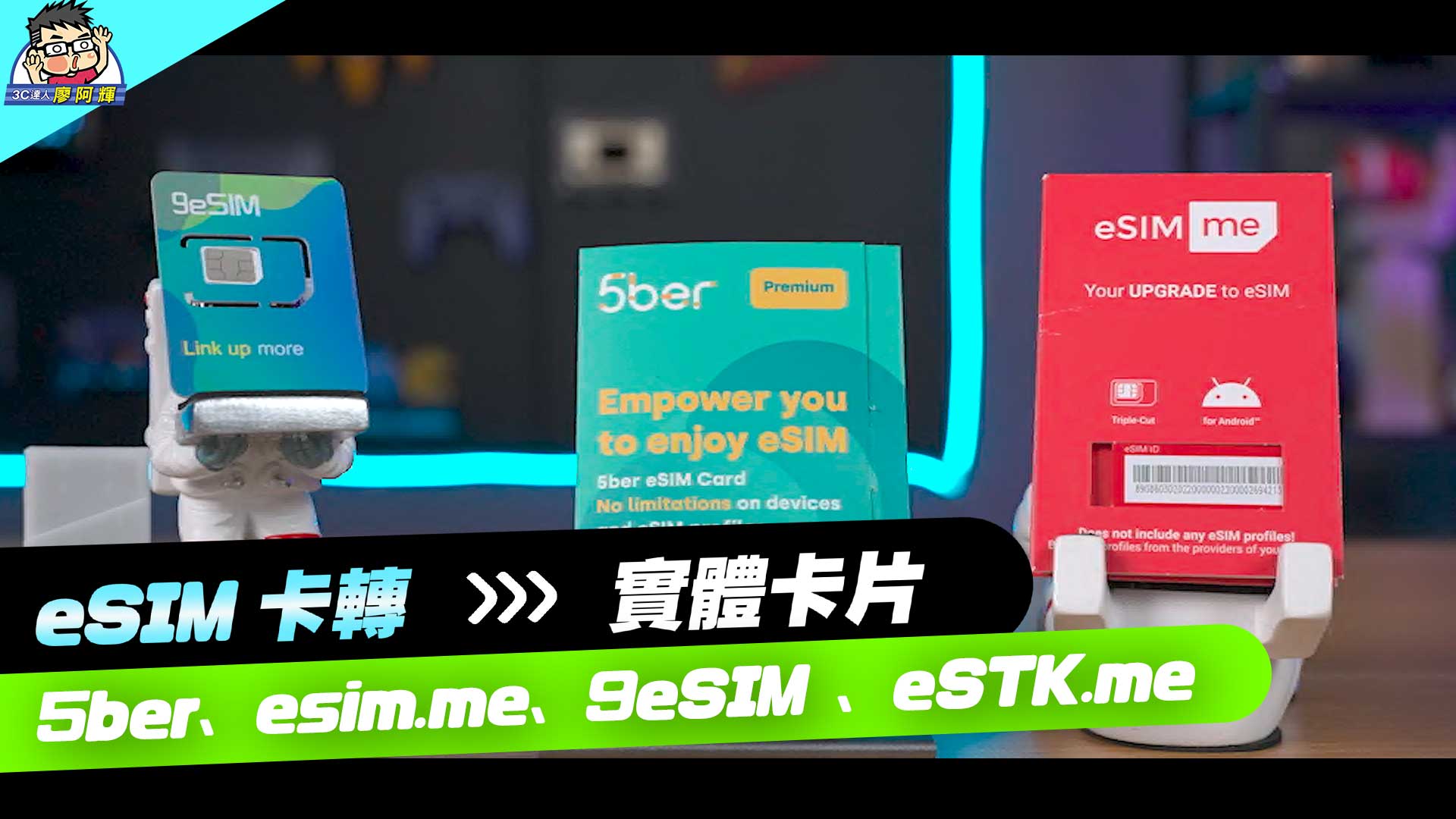
Before using an eSIM, you must verify your eSIM compatible devices are unlocked and supported by a specific carrier. Activation begins by scanning a carrier-provided QR code or downloading their app to fetch an eSIM profile directly onto the device. During this process, the carrier support system assigns your line and verifies the hardware’s embedded chip. Some operators require a physical SIM for initial setup before activating the eSIM, while others push profiles over cellular data or Wi-Fi. Once installed, you can manage multiple profiles—switching active lines instantly without swapping any physical card.
Major Network Providers Offering Digital SIM Services
Major network providers like Verizon, T-Mobile, AT&T, and global carriers such as Vodafone and Orange now offer direct digital SIM provisioning for eSIM compatible devices. This eliminates physical card swaps, allowing users to activate a line via a QR code or carrier app. The activation process for eSIM compatible devices is typically automated, scanning a code or downloading a profile directly to the phone’s settings. Each provider supports specific device models; for example, T-Mobile’s eSIM works with recent iPhones and Google Pixels, while Verizon requires eSIM activation via their My Verizon portal. Q: Which major provider offers instant eSIM activation without a store visit? A: T-Mobile allows immediate eSIM activation through its app or website for compatible unlocked devices, requiring no physical visit.
QR Code Activation vs. Built-In Profile Download Options
When activating an eSIM on a compatible device, users choose between QR code activation vs. built-in profile download. A QR code, often supplied by the carrier, requires scanning with the device camera to install the profile. Built-in profile downloads, such as Apple’s eSIM Quick Transfer or Android’s integrated carrier app, allow direct server-side provisioning without a physical code. The latter method generally eliminates the risk of misaligned or expired QR imagery. **Q: Which method is faster for switching carriers?** A: Built-in profile downloads are typically faster because they bypass the manual scan step, though QR codes remain essential for initial activation on devices lacking direct carrier integration.
Security and Practical Advantages of eSIM-Ready Gadgets
In the crowded airport terminal, your eSIM-compatible device becomes a fortress against theft. eSIM security means the embedded chip is soldered directly onto the motherboard, so a snatched phone yields no removable SIM card for thieves to transfer your number and bypass two-factor authentication. When your laptop or smartwatch is also eSIM-ready, you instantly receive an alert on your paired wearable—no physical card to clone. The practical advantage of remote provisioning lets you instantly download a local carrier profile for a business trip without visiting a store; if the connection is compromised, you simply delete the eSIM profile remotely while keeping your primary line active, a level of control impossible with plastic SIMs. That locked-down, never-physical design fundamentally shifts security from “protect a card” to “protect the entire embedded ecosystem.
Remote Provisioning and Switching Between Mobile Plans
Remote provisioning allows an eSIM-compatible device to download a new mobile plan over the air, eliminating the physical SIM card. This enables users to switch between carriers directly from the device’s settings menu. The process is instant, requiring only a QR code or app activation, and avoids waiting for a physical SIM to ship. For frequent travelers, this means seamless carrier switching without visiting a store. How does switching between plans work on an eSIM? Users simply select the active line in the device’s mobile network settings, and the eSIM instantly activates the chosen profile while deactivating the previous one.
Dual SIM Flexibility Without Additional Hardware
eSIM compatible devices unlock true dual SIM flexibility without additional hardware, eliminating the need for a physical second SIM tray or external accessories. You can seamlessly switch between a personal and work line, or a domestic and international travel plan, directly through your device’s settings. This native integration allows you to manage two active profiles simultaneously, enabling clear call management and data plan separation. The absence of a physical slot also prevents the need to carry a secondary device or pop-out tool, streamlining your daily connectivity with zero compromise on performance or portability.
Troubleshooting Common Issues with Digital SIM Devices
Troubleshooting common issues with eSIM compatible devices often starts with connectivity drops, where a quick network settings reset or device reboot frequently resolves profile activation glitches. If your eSIM isn’t recognized after a transfer, verify that the device’s firmware is fully updated, as outdated software corrupts digital profiles. For slow data, manually re-selecting the carrier network in mobile settings can re-establish a stable link. When troubleshooting, always double-check that your eSIM profile is still active on your account, as expired or deactivated digital SIMs won’t connect. Deleting and re-downloading the eSIM QR code or carrier app can fix provisioning failures, ensuring your device locks onto the correct network without physical card issues.
Network Registration Problems on eSIM-Compatible Hardware
On eSIM-compatible hardware, network registration failures often stem from an incomplete or corrupted activation profile. Ensure the device’s firmware supports the specific eSIM standard (e.g., GSMA SGP.22 v3.x) to avoid compatibility mismatches. Manually reselecting the network or toggling Airplane Mode can refresh the registration attempt. A hard reboot is critical after any profile reinstallation. Network registration failures on eSIM hardware frequently require carrier-side profile re-provisioning if software resets fail.
- Verify the eSIM profile is not remotely disabled by the carrier due to billing issues.
- Check that the device’s IMEI and eSIM chip firmware match the carrier’s supported whitelist.
- Reinstall the eSIM profile after a factory reset to clear corrupted APN or authentication tokens.
Transferring eSIM Profiles Between Different Gadgets
Transferring an eSIM profile between gadgets, like from an old phone to a new tablet, requires the profile to be deactivated on the source device before activation on the target. This process is not a file transfer; the carrier must re-issue a QR code or download link. If the original QR code is lost, contact your carrier for a new one. A common hurdle is that some carriers lock a profile to a single device’s IMEI, preventing transfer entirely. Cross-platform profile migration often fails if moving between iOS and Android due to different eSIM management standards.
Q: Can I transfer an eSIM profile from a phone directly to a smartwatch?
A: Yes, but only if your carrier offers a “companion” or “shared number” plan specifically designed for that watch model; a standard phone eSIM profile is typically incompatible.
Future Trends in Embedded SIM Technology
Future embedded SIM technology will pivot toward seamless multi-network switching, enabling devices to intelligently select the strongest carrier in real-time without user input. This means your esim compatible smartphone or wearable will automatically shift between global networks during travel, eliminating manual profile downloads. Enhanced security at the silicon level will allow these devices to host multiple active profiles simultaneously for work and personal use, with one-tap encryption toggling. However, truly universal interoperability will demand that device manufacturers standardize profile portability across hardware generations. As eSIMs shrink further, even ultra-compact Internet of Things sensors will gain this dynamic connectivity, making a one-time physical SIM obsolete for all but the most legacy devices.
Expanding Support Across New Device Categories
As eSIM tech grows, it’s popping up in gadget categories you wouldn’t expect. Beyond phones, you’ll find embedded SIMs in smartwatches for standalone calls, in fitness trackers for seamless data sharing, and even in laptops for instant connectivity without hunting for Wi-Fi. Tablets now ship with eSIM slots for flexible travel plans. Soon, smart home devices like security cameras and car entertainment systems will let you activate data on the fly, ditching physical SIM hunting entirely. This shift means more devices work right out of the box, letting you manage all connections from one profile.
Global Standards and Interoperability Improvements
Future profiles for eSIM compatible devices will leverage universal profile specifications, allowing a single eSIM to switch seamlessly between carriers without needing a new download. This hinges on standardized remote provisioning protocols that ensure any device can securely activate any compliant operator profile. Interoperability is no longer a feature but a foundational requirement for the ecosystem. These improvements mean your device will automatically recognize and connect to a wider network irrespective of the manufacturer or region.

- Standardized APIs eliminate hardware-specific carrier locks, enabling simpler carrier switching.
- Unified SM-DP+ interfaces reduce activation failures across different device and network combinations.
- Common encryption frameworks ensure profile transfers remain secure without sacrificing speed.